Motor and thermal margin
Match continuous torque, peak torque, speed, voltage, current limits, duty cycle and available cooling space.
Integrated Robot Joint Motion
Review the motor, gearbox, encoder, brake, bearings and driver as one motion module. This reduces interface risk before prototype development and quotation.
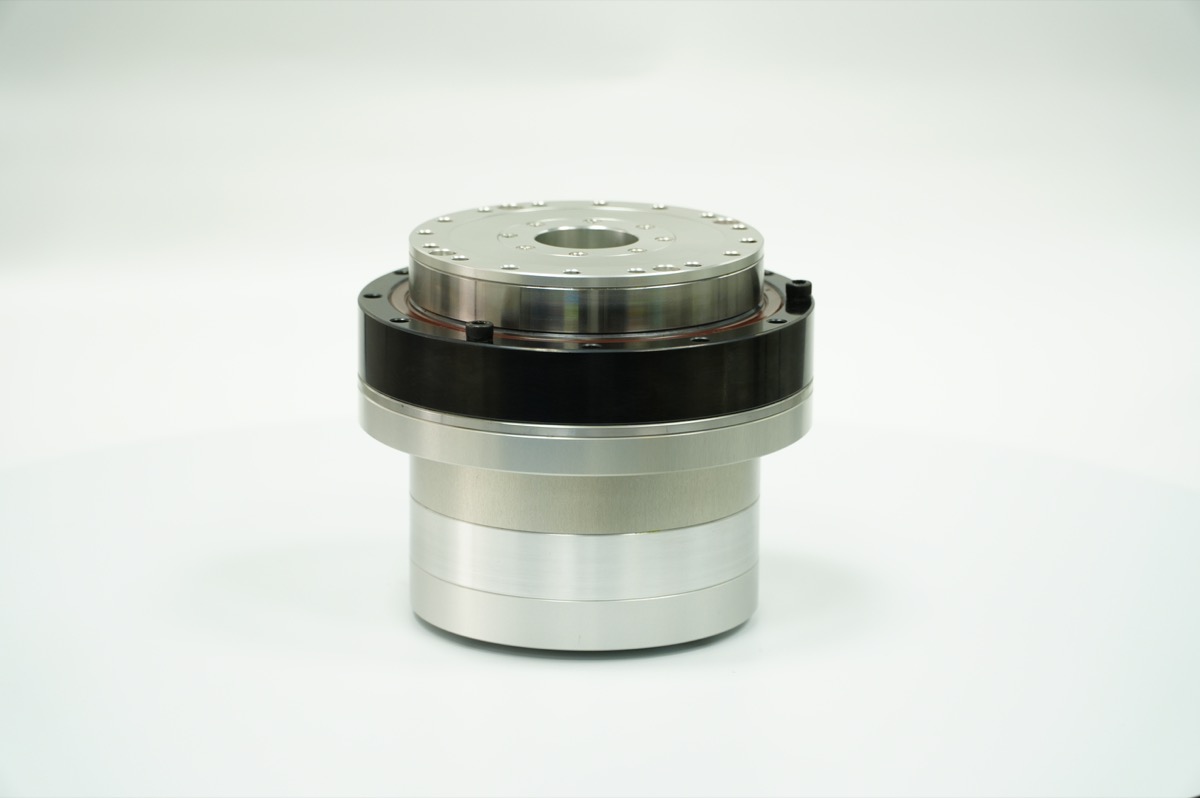
System Selection
Torque and speed alone are not enough. Thermal limits, feedback, mechanical interfaces and control requirements determine whether the actuator can work reliably in the robot.
Match continuous torque, peak torque, speed, voltage, current limits, duty cycle and available cooling space.
Review reduction ratio, backlash target, output bearing load, flange, shaft, housing diameter and cable routing.
Confirm absolute or incremental encoder, brake logic, driver current, control mode and communication interface.
Typical Applications
Compact shoulder, elbow, hip, knee and ankle modules where torque density and packaging are critical.
Joint modules for collaborative, service and light industrial arms requiring repeatable position control.
Integrated rotary axes for inspection, handling, research platforms and special-purpose mechanisms.
Required Information
Continuous torque, peak torque, output speed, duty cycle, motion profile and operating environment.
Supply voltage, driver preference, encoder type, communication protocol and brake requirement.
Maximum diameter and length, mounting interface, output load, cable direction and prototype quantity.
Send your torque, speed, voltage, envelope and control requirements for a motor-module feasibility review. For supplier-side selection support, review our robot servo motor guide.