Integrated joints
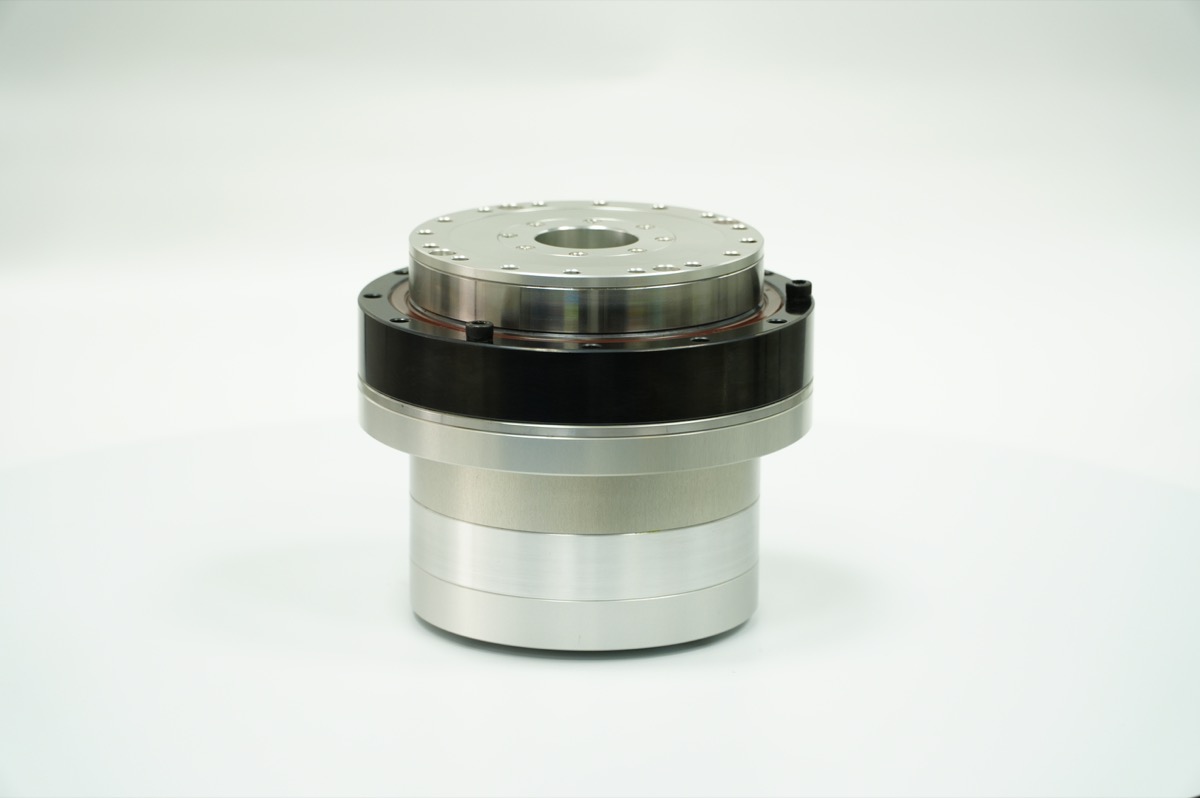
Useful when the actuator needs a compact hollow or integrated structure with custom bearings, housing and output interface.
Frameless Torque Motor for Robot
Discuss frameless torque motor directions for robot joints, collaborative arms, humanoid robots and compact actuator modules where envelope, torque density and thermal path matter.
Application Fit
Useful when the actuator needs a compact hollow or integrated structure with custom bearings, housing and output interface.
Review stator outer diameter, stack height, winding, peak torque, continuous torque, thermal limit and controller current.
The final actuator may also require encoder, brake, reducer, cable routing, sealing, thermal design and assembly test planning.
FAQ
Outer diameter, inner diameter, stator height, available housing space, shaft or hollow structure and mounting constraints are the first items.
The project can be discussed as a motor direction, motor plus feedback, or a broader actuator module depending on the application and quantity.
Torque, current, temperature rise, noise, vibration, insulation, feedback alignment and outgoing performance tests are typical checks.
Send envelope, torque, speed, voltage, feedback and quantity for a feasibility review.